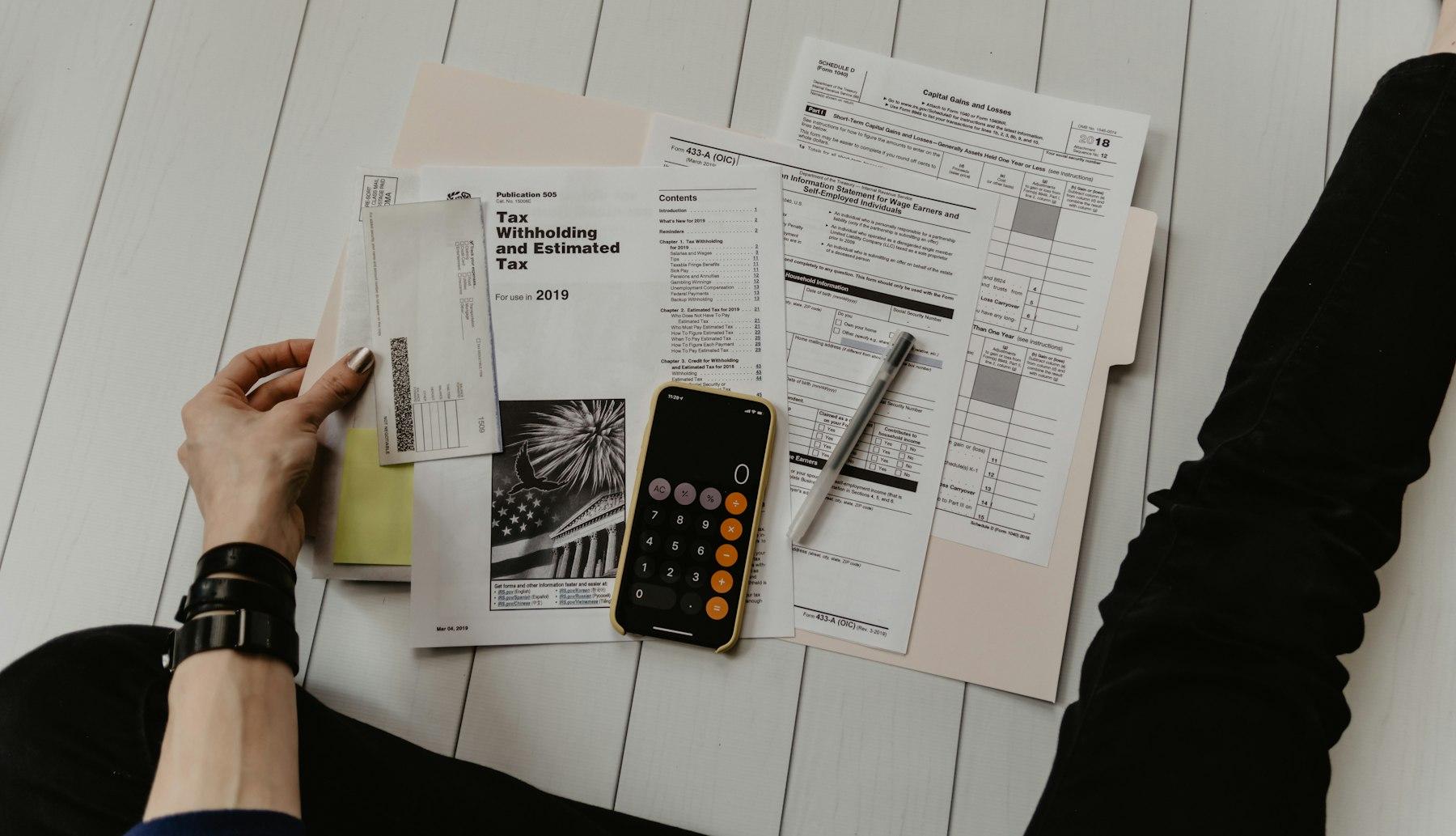
A Disneyland Paris trip can quickly become more expensive than planned. The entrance ticket is only part of the equation: you have to add the hotel, the meals, the transport, the snacks, the forgotten purchases, sometimes the parking, and all the small expenses that feel light in the moment. The good news is that the Val d'Europe area helps you keep this budget under control. By preparing the key points before you arrive, you can keep the pleasure of the trip without every decision turning into a bad surprise.
This guide does not promise an impossible "low-cost" holiday. Instead it explains how to make smart trade-offs around Disneyland Paris, Chessy, Serris, Montévrain and Magny-le-Hongre. The idea is simple: pay for what really matters, save on what does not improve the experience much, and use Val d'Europe as a practical base. To go further, keep open the guides to where to eat after Disneyland Paris, staying near Disneyland without a car and the restaurants, hotels and shops pages.
Start with the accommodation: the invisible saving
Accommodation is often the item that determines everything else. A cheaper but badly located hotel can end up costing more once you add taxis, long journeys, expensive breakfasts and fatigue. Conversely, a slightly more expensive establishment close to the RER A, a shuttle or a service hub can cut a lot of secondary spending. The hotels near Disneyland page is useful, but look at the real logistics, not just the distance in kilometres.
For a small budget, the aparthotels are often a smart pick. Addresses such as Aparthotel Adagio Val d'Europe, Residhome Val d'Europe or All Suites Appart Hôtel Val d'Europe let you handle a simple breakfast, snacks, a chilled bottle of water and sometimes a very light dinner. Over a three-night stay, that flexibility can save more than a spectacular promotion on a standard room.
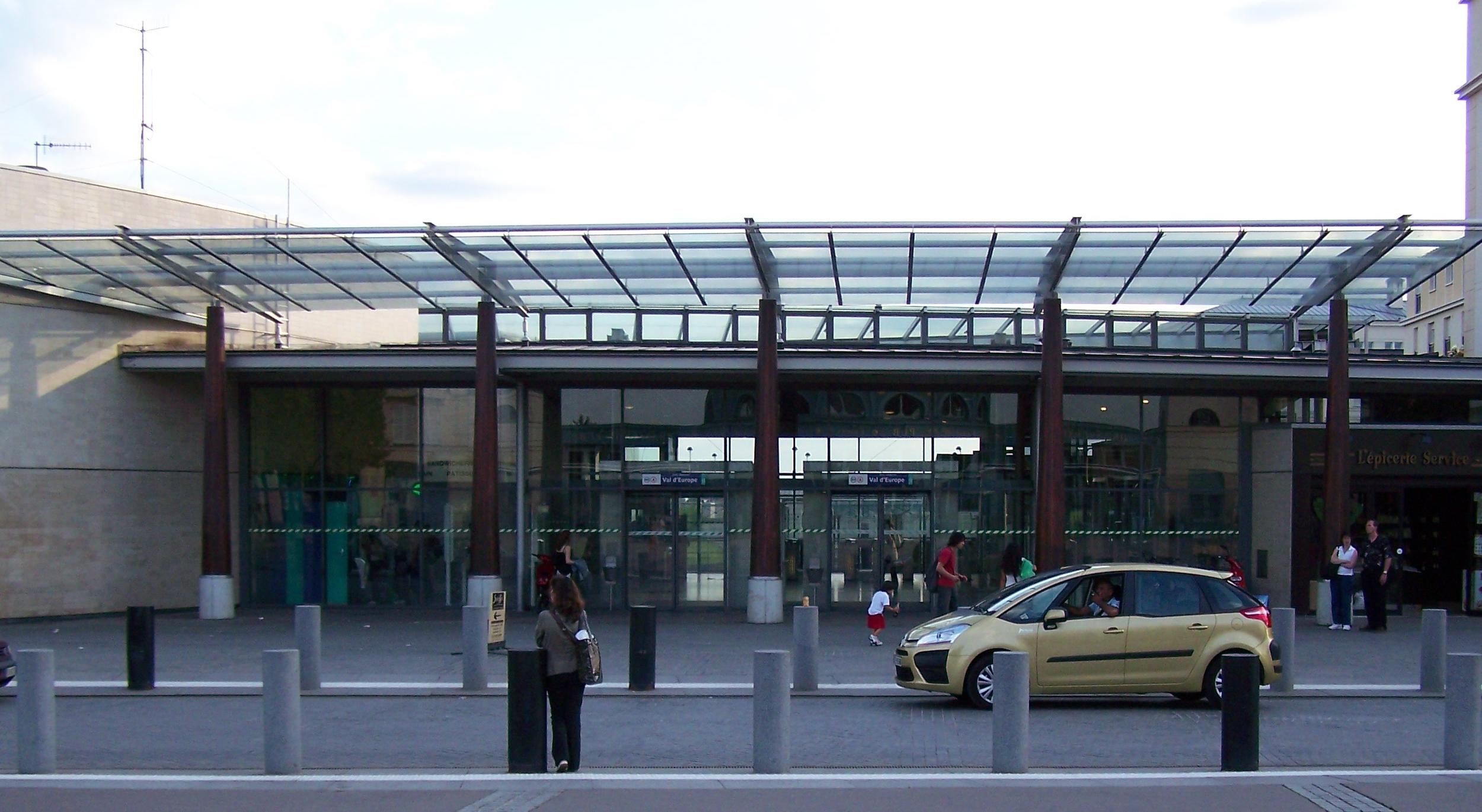 Photo: Rcsmit / Wikimedia Commons, CC BY-SA 3.0
Meals: choose your restaurant moments
The food budget explodes when every break becomes a purchase you did not choose. The most effective strategy is to decide in advance which meals really count. For example: a good dinner after the park day, a practical lunch at Val d'Europe, and simple formats for the rest. That way you avoid overpaying for an average option just because everyone is tired.
Around Val d'Europe, you can alternate between restaurants and very practical solutions. For a comfortable dinner, look at Brasserie Rosalie, La Table de Chessy, Au Bureau Montévrain, Alfred Burger or Yuan depending on where you are. For simpler meals, explore the burger, fast food, pizzeria, Asian or café & tea room categories.
The right reflex is not to confuse saving with deprivation. A well-chosen restaurant can be a highlight of the trip. On the other hand, three meals improvised in a rush can cost as much as one very good dinner and leave a blurrier memory. So prepare a short list: one address near the parks, one near your hotel, one quick option at Val d'Europe.
Use the shops as a safety net
The Val d'Europe shops also help bring the budget down. A forgotten pair of socks, a power bank, plasters, a sweatshirt, snacks or baby products often cost less when bought calmly outside the parks. The shops, grocery & food, services and fashion & accessories pages help you spot the useful options. Auchan Val d'Europe, Action Montévrain, Nike Store Val d'Europe or Fnac Val d'Europe can come to the rescue depending on the need.
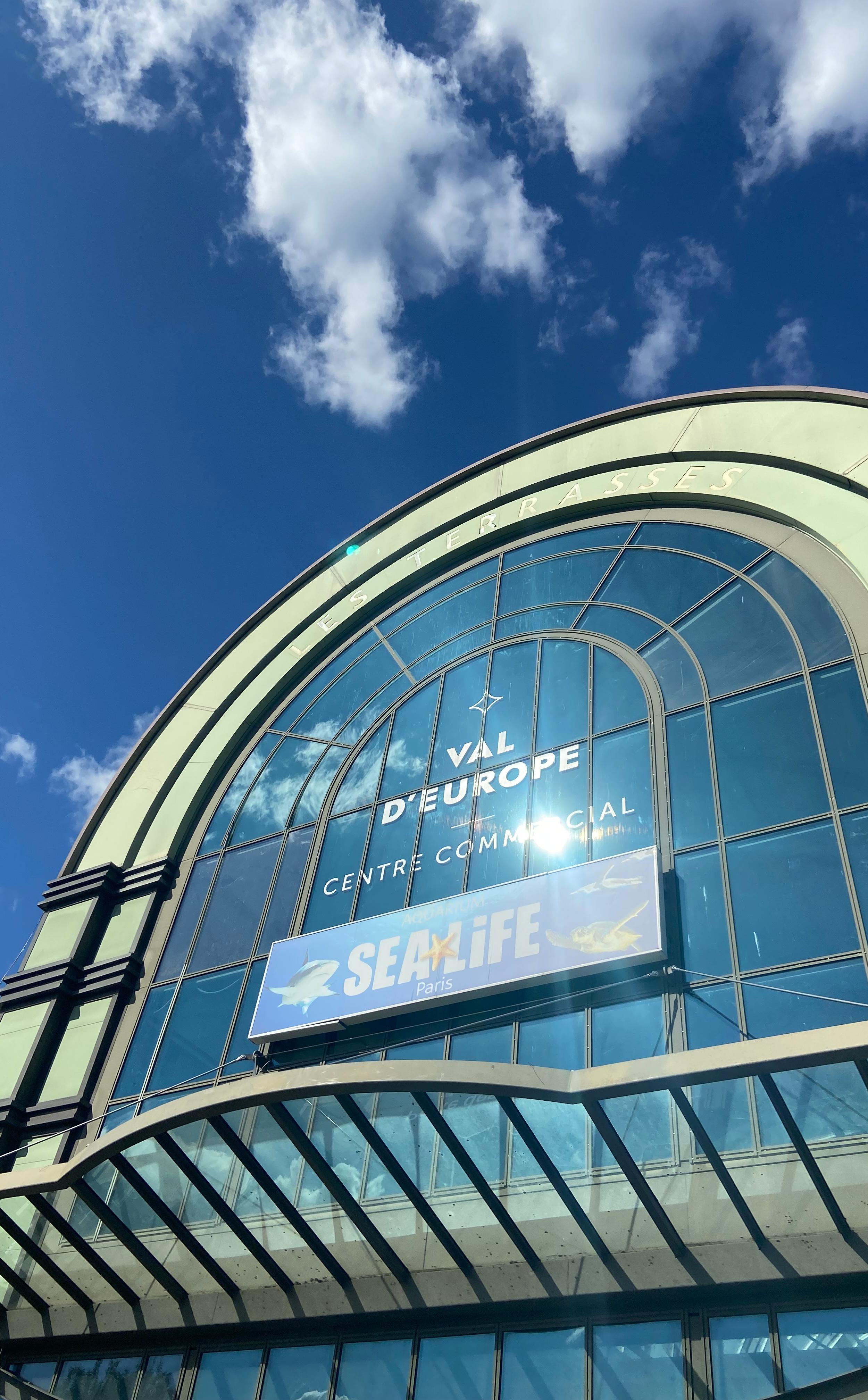 Photo: Xynastic / Wikimedia Commons, CC BY-SA 4.0
Transport: avoid the end-of-day expenses
Transport gets expensive mainly when it is improvised late. A taxi or ride-hailing service can be very convenient, but if it becomes the daily solution, the budget climbs fast. If you sleep in Serris or Montévrain, the RER A can be your best ally. If you sleep in Magny-le-Hongre or Bailly-Romainvilliers, check the shuttles before booking. The guide to getting around Val d'Europe covers this topic in detail.
Parking is another point to watch. Depending on your accommodation and your programme, it can be smarter to leave the car parked and combine walking, RER and shuttle. That reduces fatigue, but also the hidden costs: fuel, parking, detours, stress on the way back. For a family, a simple journey is sometimes worth more than saving a few euros on the room.
Souvenir purchases: decide before entering the shop
Souvenirs are part of the experience, especially with children. The problem is not buying, it is buying without a frame. Set a souvenir budget before entering the shops, or pick one type of purchase: a plush toy, a mug, an item of clothing, a pin. That makes the decision clearer and avoids the accumulation of small items that end up weighing on the bill.
La Vallée Village and the shopping centre can also tempt you. If shopping is a real goal of the trip, read the guide to shopping at Val d'Europe and La Vallée Village. If it is not the goal, keep them as a practical solution instead: clothes, emergencies, a warm break, a meal.
Example of a well-managed day
A successful budget day could look like this: a simple breakfast at the aparthotel, an early start for the parks, snacks and water bottles prepared, a quick but chosen lunch, a return to Val d'Europe in the late afternoon for a break, then a booked dinner in a restaurant that matches the group's energy level. The next day, a half-day away from the parks lets everyone breathe: shopping centre, a walk, a local activity, then back to the park if the energy is there.
The small savings that spoil nothing
The most effective savings are often the least visible. Carrying a water bottle, packing a tote bag, charging the phones before leaving, buying baby products before entering the parks, keeping a warm layer in the bag: all of this avoids emergency purchases. Val d'Europe is practical precisely because it lets you fix an oversight without paying the stress premium. If you arrive the day before, do a short loop around the shopping centre to sort out these details, then keep the Disney day for the fun.
Another important point: do not overload the programme with paid activities just because you are there. A walk, a simple snack, a return to the hotel or a break under cover can be more useful than one more outing. The budget is also controlled by accepting that some moments of the trip are free or very simple. That is particularly true with children, who often remember a calm break as much as an expensive activity.
Finally, compare the overall cost rather than the isolated price. A hotel ten euros cheaper but far from the RER, a restaurant with no booking that forces you to buy snacks beforehand, or a badly planned return that ends in a ride-hailing car can wipe out the initial saving. Around Disneyland Paris, the good expense is the one that simplifies the day. The bad one is the one that happens because you did not plan ahead.
This kind of organisation takes nothing away from the magic of the trip. What it removes are the decisions made at the worst moment. A small budget around Disneyland Paris is not a list of prohibitions; it is a way of staying in control. Choose your accommodation clear-headedly, plan two or three meals, use the Val d'Europe shops to avoid emergency purchases, and keep a margin for the real treats. That is often the difference between a frustrating trip and a simple, full, well-lived one.